Mindfulness on the Water: Why Kayaking is Great for Stress Relief
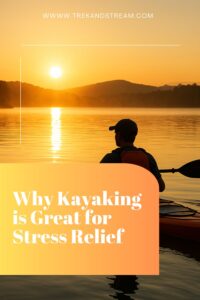 A while back, I went through one of those weeks where everything felt like too much — deadlines piling up, endless notifications, the kind of stress that doesn’t switch off when you go to bed. On Saturday morning, I decided to throw my kayak on the roof rack and head to the lake. Honestly, I wasn’t expecting much. I just needed to get away from my desk.
But here’s what happened: the second my paddle dipped into the water, my brain started to unclench. The noise in my head got quieter. The rhythm of paddling pulled me into the present moment in a way that meditation apps never could. By the time I got back to shore, I felt lighter — like I had actually reset myself.
That’s when I realized: kayaking isn’t just exercise or adventure. It’s one of the best mindfulness practices I’ve ever found.
If you’ve been feeling stressed, anxious, or just disconnected from yourself lately, kayaking might be the perfect antidote. In this post, I’ll share why kayaking works so well for stress relief, how to turn your time on the water into a mindfulness practice, and some simple steps you can try on your next trip.
Why the Outdoors is a Natural Stress Reliever
The Science of Nature and Stress
Studies show that just being in nature lowers cortisol (the stress hormone), reduces blood pressure, and improves mood. It’s why a walk in the park feels different than walking on a treadmill.
Now combine that with being on water — an environment that’s naturally calming. There’s a reason people book beach vacations or sit by fountains. The sound of water literally soothes the nervous system.
Why Kayaking Specifically?
Kayaking brings together all the best parts of outdoor therapy:
-
Gentle exercise (endorphins without exhaustion).
-
Rhythm and repetition (perfect for calming a racing mind).
-
Immersion in nature (birds, trees, sky, water).
-
A little adventure (just enough to pull your focus away from stress).
👉 Takeaway: Kayaking isn’t just recreation — it’s medicine for your mind.
Mindfulness in Motion
You’ve probably heard about mindfulness before: paying attention to the present moment without judgment. Easier said than done when you’re checking email every five minutes.
But kayaking almost tricks you into mindfulness.
The Rhythm of the Paddle
There’s something meditative about dipping your paddle in, pulling through the water, lifting it out, then repeating. It’s like the world’s most natural breathing exercise.
I sometimes find myself syncing my breath with my strokes: inhale on one side, exhale on the other. Without even trying, I’ve entered a rhythm that clears out the mental clutter.
Engaging Your Senses
Mindfulness is about noticing what’s around you. On a kayak, it happens automatically: the cool splash of water on your arm, the way the sun glints off ripples, the sound of a heron taking flight.
One time, I spent an entire hour just noticing the reflections of trees in the water. No phone. No agenda. Just being there. It was one of the calmest hours I’ve had all year.
👉 Try this next time you paddle: Pick one sense (sight, sound, touch) and focus on it for ten minutes. Notice everything in that category.
Kayaking as Moving Meditation
If sitting cross-legged on a cushion isn’t your style, think of kayaking as your moving meditation.
Step 1: Set an Intention Before You Launch
When I push off from shore, I often take a second to think: What do I want from this paddle? Sometimes it’s relaxation. Sometimes it’s clarity on a problem. Sometimes it’s just fun. Setting that intention helps shape the experience.
Step 2: Breathe With the Strokes
Match your breath to your paddling. Slow and steady. It’s incredible how quickly this centers you.
Step 3: Let Thoughts Drift Like Leaves
Stressful thoughts will pop up. That’s normal. When they do, imagine them drifting down the river or floating away like leaves on the surface. No need to fight them — just let them go.
👉 Takeaway: You don’t need a yoga mat to meditate. Your kayak can be your floating temple.
Physical Benefits That Boost Mental Health
It’s not just about “feeling calm.” Kayaking has real physical benefits that contribute to stress relief.
-
Low-Impact Exercise: Paddling works your arms, back, and core without hammering your joints. Exercise naturally releases endorphins — the “happy” chemicals.
-
Improved Sleep: Every time I spend a day kayaking, I sleep like a rock that night. And better sleep = less stress.
-
Deep Breathing: Being outside, away from city smog, naturally encourages deeper, slower breaths. That alone helps calm anxiety.
Tips for Making Your Paddle More Mindful
Over time, I’ve found little habits that make kayaking even more grounding:
-
Leave your phone behind (or on airplane mode). The world won’t end if you unplug for a couple of hours.
-
Paddle solo sometimes. Group trips are fun, but solo paddles let you really tune in to yourself.
-
Go early or late. Sunrise and sunset paddles are magical — and quieter.
-
Practice gratitude. At some point during your trip, name three things you’re grateful for. The water has a way of making those things feel bigger.
-
Slow down. You don’t have to race across the lake. Drift. Float. Be still.
Stories From the Water
I’ll share one quick story.
Last summer, I was out on a lake after a particularly rough week. Deadlines, bills, the whole nine yards. I launched my kayak in the evening, just before sunset. As I paddled, I noticed the water turning golden. A loon called across the lake. I stopped paddling and just floated.
For about twenty minutes, I did absolutely nothing but sit there. No phone. No noise. No agenda. Just me, the kayak, and the setting sun.
When I got back to shore, I felt like a different person. My problems weren’t gone, but they didn’t feel as heavy. That’s the power of kayaking as mindfulness.
Common Mistakes to Avoid
-
Treating it like a workout only. Don’t just power through. Slow down. Notice.
-
Bringing distractions. Music, podcasts, or phone calls pull you out of the moment.
-
Over-scheduling. If you’re rushing to “fit in” a paddle, you’ll miss the whole point.
Conclusion
Kayaking isn’t just a sport or a hobby. It’s one of the simplest, most natural ways to practice mindfulness and let go of stress. The combination of water, rhythm, and nature works better than any app I’ve ever tried.
If you’re looking for a way to recharge, reconnect, and truly be present, try kayaking not just as recreation, but as meditation.
👉 Over to you: Have you ever used kayaking as a way to clear your head or calm down after a stressful week? What worked for you? Share your experience in the comments — I’d love to hear your stories.