Essential Kayaking Safety Tips Everyone Should Know
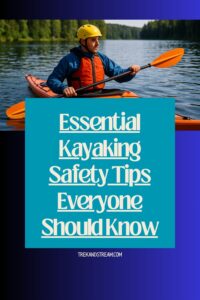 I’ll be the first to admit it — I love kayaking. There’s something magical about sliding out onto the water, the world going quiet except for the sound of your paddle dipping in and out. Some of my best memories are out on a kayak: watching a sunrise on a glassy lake, laughing with a friend when we both nearly tipped over, even the sense of calm I get paddling solo after a long week.
But here’s the thing nobody likes to talk about — kayaking can turn risky faster than you expect. All it takes is one gust of wind, one missed weather report, or one small mistake to find yourself in trouble. I remember my very first time on a river, thinking, “How hard can it be?” Ten minutes later I was sideways against a rock, panicking because I hadn’t learned how to get out safely. Thankfully, I was fine — just soaked and humbled — but it was a wake-up call.
And it’s not just me. According to the U.S. Coast Guard, paddling activities like kayaking and canoeing make up a surprising share of recreational boating accidents every year. The majority of these accidents come down to simple things: no life jacket, ignoring weather, or overestimating skill. In other words, most of them could have been prevented.
The good news is that staying safe doesn’t have to be complicated. You don’t need to memorize a textbook or train like an Olympian. You just need a few key habits and a little bit of preparation. By the end of this post, you’ll know the essential kayaking safety tips that will keep you (and the people paddling with you) safe, confident, and free to actually enjoy the adventure.
Prepare Before You Hit the Water
One of the biggest safety lessons I’ve learned over the years is that kayaking safety starts before your paddle even touches the water. A little preparation makes the difference between a smooth trip and a scary one.
Check the Weather Forecast
I’ll never forget a trip where the morning started with calm, glassy water. I thought, “Perfect day for paddling!” By mid-afternoon, the wind had picked up so badly that I was fighting to stay straight, each paddle stroke more exhausting than the last. I should’ve checked the forecast more carefully.
Always look beyond just “sunny” or “cloudy.” Pay attention to wind speeds, storm warnings, and water temperatures. Even a light breeze can make paddling tough, especially on open water. And thunderstorms? Don’t risk it. Lightning and kayaks don’t mix.
Takeaway: Always, always check the weather before you go. If it looks sketchy, reschedule. The river or lake will still be there tomorrow.
Research Your Location
Every body of water is different. Some rivers hide fallen trees just below the surface. Some lakes have tricky currents near inlets. I learned this lesson when I launched into what looked like a calm stretch of water, only to be pulled toward a dam outflow I didn’t know was there. Luckily, I spotted the signs and paddled away, but it scared me enough to always research locations beforehand.
Look for maps, read local paddling forums, or ask someone who’s been there. Knowing where rapids, rocks, or strong currents are located can save you a lot of trouble.
Takeaway: Don’t treat new water like your backyard pool. Learn its quirks before you go.
Inform Someone of Your Plans
It might sound dramatic, but this is basic safety: always let someone know where you’re going and when you expect to be back. Even if it’s just a text to a friend — “Heading to Lake X, back by 4” — it gives you a safety net.
Takeaway: Never launch without telling at least one person your plan. It’s a five-second habit that could save your life.
Wear the Right Safety Gea
If I had to give just one piece of kayaking advice, it would be this: don’t skimp on safety gear. You can forget your fancy watch or even your snack bag, but leave your life jacket at home and you’re asking for trouble.
Always Use a Personal Flotation Device (PFD)
I’ll admit it — when I first started kayaking, I thought PFDs were bulky, uncomfortable, and something only “serious” paddlers needed. Then one windy afternoon, I watched a friend capsize. He popped right back up because of his vest, while I was sitting there thinking, “Okay… this is why they tell us never to skip it.”
The reality is simple: accidents happen fast. A strong gust, a hidden rock, or even fatigue can flip you. A PFD keeps you afloat and gives you precious time to recover. And these days, they’re way more comfortable than the old stiff ones.
Takeaway: If you’re on the water, wear your PFD. Every time. No exceptions.
Dress for the Water, Not the Air
Here’s a mistake I made early on: I dressed for the sunny spring day instead of the icy river I was actually paddling. The air was warm, but the water was near freezing. I didn’t fall in (thankfully), but just dipping my hand in made me realize how unprepared I would’ve been.
Kayakers follow a simple rule: dress for immersion. That means imagining the worst-case scenario — falling in — and asking, “Would I be okay in these clothes?” If the water is cold, a wetsuit or drysuit isn’t overkill, it’s smart. Even on mild days, synthetic layers that dry quickly beat cotton, which will only make you colder once wet.
Takeaway: Forget the air temperature. Always dress for the water you’re paddling on.
Helmet and Spray Skirt for Rougher Waters
If you’re sticking to calm lakes or slow rivers, you might not need a helmet or spray skirt. But if you’re heading into rapids, rocky areas, or surf zones, they’re a game-changer.
A helmet protects you if you capsize near rocks or in fast-moving water — and I’ve banged my head more than once while practicing roll techniques. As for the spray skirt, it keeps water out of your cockpit so you don’t end up sitting in a personal swimming pool halfway through your trip. The first time I used one, I was amazed at how much drier and more in control I felt.
Takeaway: Rougher conditions demand extra protection. A helmet and spray skirt aren’t about looking “hardcore” — they’re about staying safe and comfortable.
Learn the Essential Kayak Skills
When I started kayaking, I assumed it was all about paddling forward. But once you’re out there, you realize it’s a mix of technique, awareness, and knowing how to handle the unexpected.
Proper Paddling Technique
Sloppy paddling wastes energy and wears you out. The trick is using your core, not just your arms. Think of twisting your torso with each stroke. It feels weird at first, but once you get it, you’ll glide farther with less effort.
How to Exit a Capsized Kayak (Wet Exit)
The first time I flipped, I panicked and wasted energy thrashing around. Later, an instructor showed me the “wet exit”: stay calm, lean forward, pull the spray skirt loop, and slide out. Practicing this in shallow water changed everything — suddenly flipping wasn’t scary anymore.
Basic Rescue and Self-Rescue Skills
What happens if you tip and you’re out in deep water? That’s where re-entry skills come in. Practice climbing back into your kayak or buddy rescues with friends. The middle of a lake isn’t the time to figure it out for the first time.
Takeaway: Build your skills on calm water, practice capsizes on purpose, and make safety second nature.
Know the Rules of the Water
Waterways don’t have traffic lights, but they do have rules. Knowing them keeps you safe and keeps other boaters happy.
Navigation Basics
Boats bigger than you usually have the right of way. Stay visible and don’t dart in front of motorboats. If you’re crossing a busy area, make your move predictable.
Signals and Communication
Hand signals and whistles can be lifesavers, especially if you’re paddling in a group. A simple whistle blast to signal “help” is worth its weight in gold.
Group Kayaking Etiquette
Stick together, but not too close. Nobody enjoys getting smacked by a partner’s paddle. Think of it as giving everyone their “bubble” of space.
Pack Safety Essentials
You don’t need to carry a full survival kit, but a few small items can make a huge difference.
- Whistle and Signal Device: Light, cheap, and can save your life.
- Waterproof Map or GPS: Phones die, batteries drain, but a laminated map won’t quit.
- First Aid Kit: Even a small one covers blisters, cuts, or scrapes.
- Dry Bag with Snacks and Water: Staying fueled and hydrated helps you think clearly.
- Sun Protection: Sunglasses, hat, and sunscreen. Sunburn sneaks up fast on the water.
Avoid Common Kayaking Mistakes
A lot of accidents come from simple oversights. Here are the big ones I see (and have made myself):
- Going out alone as a beginner. Solo trips are tempting but risky. Bring a buddy until you’re experienced.
- Overloading your kayak. Too much gear makes you unstable. Pack smart, not heavy.
- Underestimating cold water. Hypothermia sets in fast, even in “nice” weather.
- Ignoring fatigue. Paddling burns energy. Rest when you need to and drink plenty of water.
Conclusion
Kayaking is one of the best ways I know to enjoy the outdoors — but it’s only fun if you feel safe out there. The good news is that safety isn’t complicated. A PFD, the right clothes, a little prep work, and a few practiced skills go a long way.
If you take one thing from this article, let it be this: don’t wait to learn safety until after an accident. Build good habits now, and you’ll paddle with confidence for years to come.
👉 Now it’s your turn: What’s the most important kayaking safety tip you’ve learned — maybe even the hard way? Drop a comment below and let’s share some lessons on (and off) the water.